Lead Others Well: Building Trust, Teams, and Impact
Leadership at scale means more than managing tasks, t’s about shaping culture, building systems, and creating momentum that lasts beyond you. Here’s how to grow from leading people to leading organizations.”


From Self-Leadership to Team Leadership
In the last post, we talked about the foundation: leading yourself first. Once you’ve built discipline, clarity, and consistency in your own life, the next step is extending that leadership outward—into your team, your business, and your community.
True leadership is about multiplying what you’ve mastered in yourself and investing it in others.
1. Build Trust Before You Build Tasks
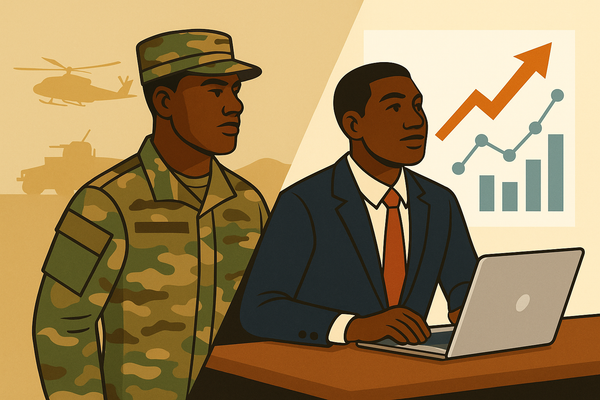
Trust is the foundation of leadership. Without it, even the best strategy collapses. In the military, trust is formed through shared sacrifice—late nights, long shifts, and high stakes. In business, it’s built through consistency, integrity, and transparency.
- Consistency: Deliver on the small things—showing up to meetings prepared, following through on commitments, keeping your word.
- Integrity: Own mistakes publicly and correct them quickly. Leaders who shift blame lose credibility fast.
- Transparency: Communicate the “why” behind decisions, even when it’s uncomfortable. Silence creates doubt; clarity creates confidence.
Bottom line: Before your team will take big risks for you, they need to know you’ll stand with them when things go wrong.
2. Clarify the Mission and Remove Confusion
Confusion kills momentum. In the military, unclear orders can derail an operation. In business, they derail projects, create wasted effort, and frustrate your people.
Strong leaders remove ambiguity by defining the mission clearly and aligning everyone around it:
- Set Clear Objectives: Define what success looks like in measurable terms.
- Break It Down: Large goals need smaller, actionable steps—so the team knows where to start.
- Define Roles: Everyone should know their responsibility and how it ties to the mission.
Test yourself: If you asked three team members what the mission is, would you get three different answers? If yes, clarity is missing.
3. Develop People, Not Just Projects
A project can succeed while people stagnate—but that’s not real leadership. Leaders build capacity, not just output.
Ways to build people:
- Mentorship: Offer consistent feedback that develops skills, not just critiques performance.
- Opportunities: Rotate responsibilities, stretch people into new challenges, and let them own results.
- Recognition: Call out wins publicly. Quiet recognition is fine for some—but most thrive when their effort is seen.
When you focus on developing people, the projects take care of themselves. Better people create better results.
4. Lead Through Change, Not Comfort
Change is the only constant—markets shift, teams evolve, and unexpected obstacles appear. Good leaders don’t resist change—they guide people through it.
How to lead well during change:
- Communicate Early and Often: Don’t leave people guessing. Even if you don’t have all the answers, share what you know.
- Stay Calm Under Pressure: Anxiety is contagious—but so is composure. If you keep steady, your team will mirror it.
- Involve the Team: People resist change when it’s forced on them. Give them a voice in shaping how the team adapts.
Remember: People don’t fear change—they fear uncertainty. Reduce that, and your team can thrive.
5. Measure Impact Beyond Results
KPIs and revenue targets matter, but they’re not the whole story. Great leaders measure success not just by output, but by impact.
Ask yourself:
- Did I help people grow this quarter?
- Did I create clarity and remove barriers?
- Did I model the values I expect from my team?
The numbers will fluctuate. But the legacy of leadership is the culture you create and the people you build.
Final Thoughts: Leadership Multiplies
Once you lead yourself, your next responsibility is to lead others well. The impact of your business or mission won’t be measured only by revenue or reach—but by the people you built along the way.
Lead yourself. Lead others. Multiply impact. That’s mission-ready leadership.